
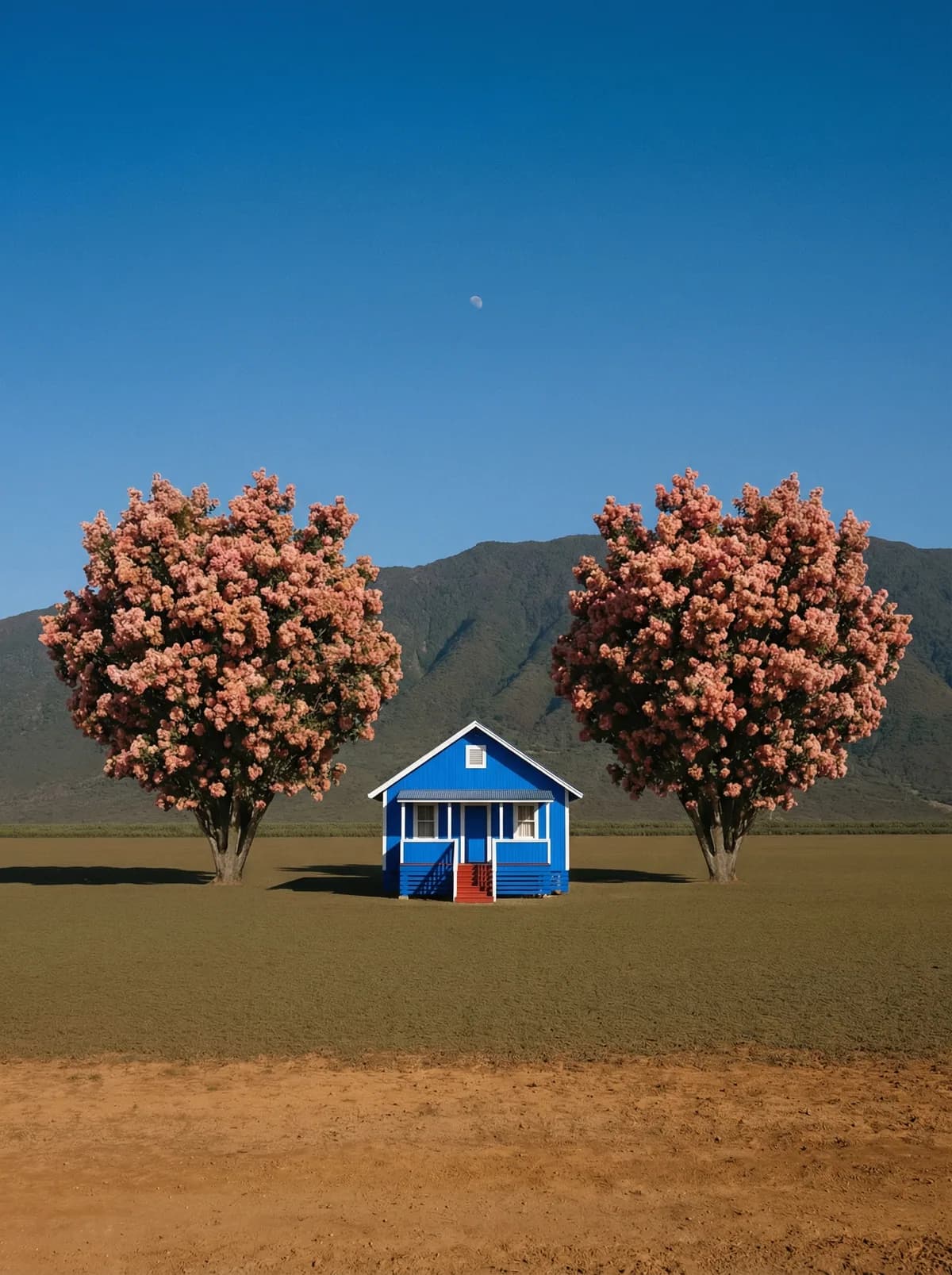
Creative direction
Rich detail with a polished editorial finish.
Create high-quality images with Nano Banana 2. Add reference images when the model supports them.
Compare models and choose the one that fits your next idea.
Featured creations
Explore images created with different prompts, styles, subjects, and compositions.
Rich detail with a polished editorial finish.
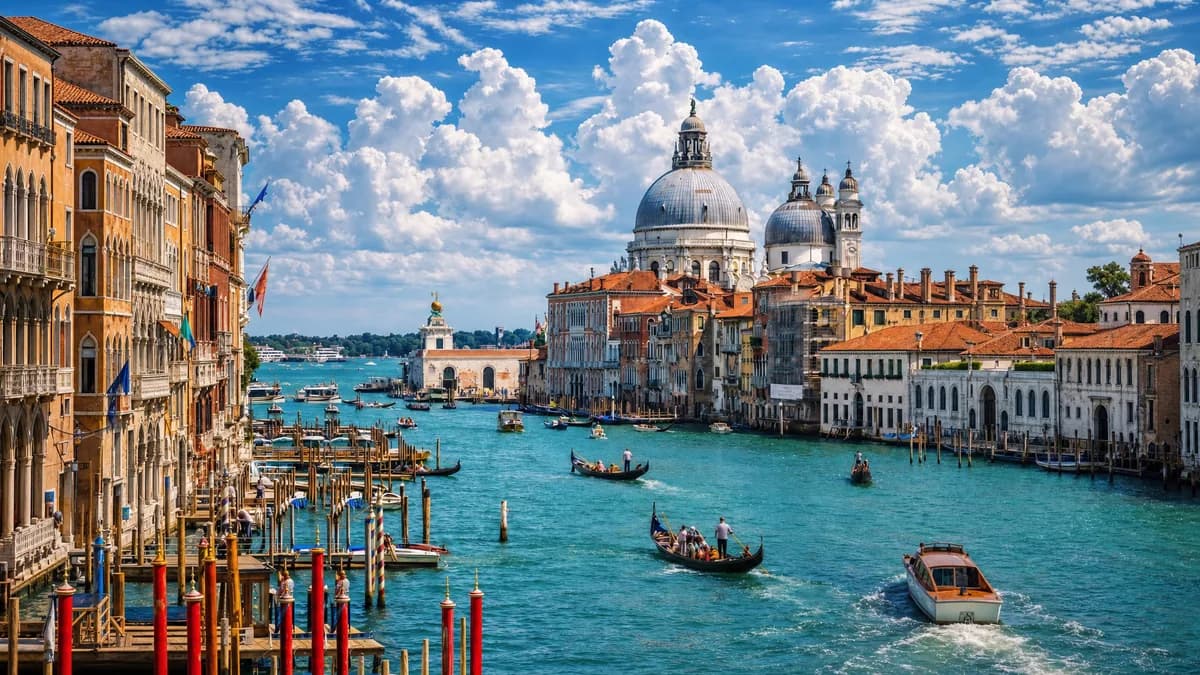
Balanced light, depth, and spatial structure.

Clear subjects with expressive, consistent features.
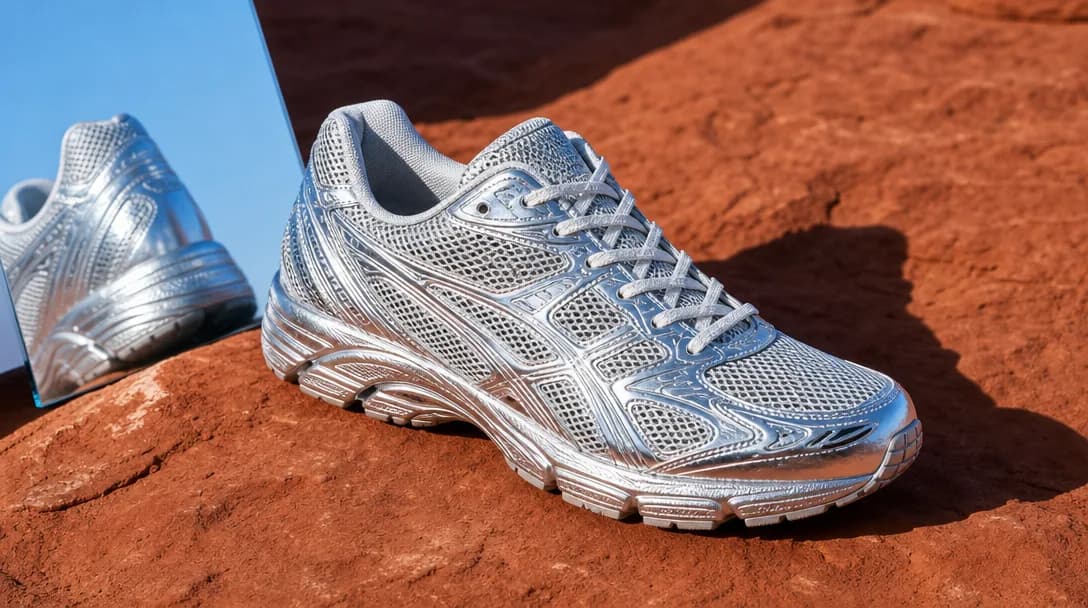
Natural textures and clean high-resolution output.
Model capabilities
Control the composition, keep references consistent, adjust the lighting, and edit specific details.
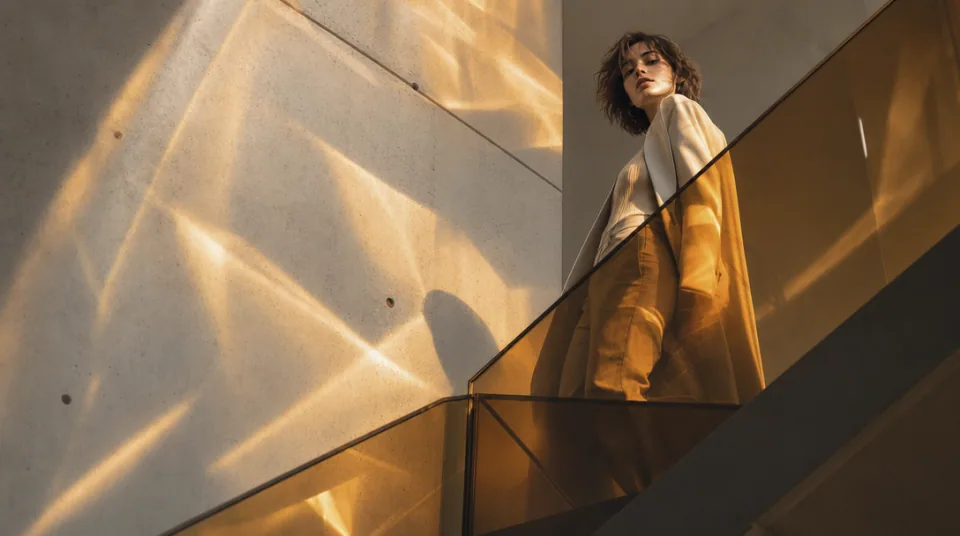
01 / COMPOSITION
Choose the framing, camera angle, perspective, and depth to create the scene you want.
See the workflow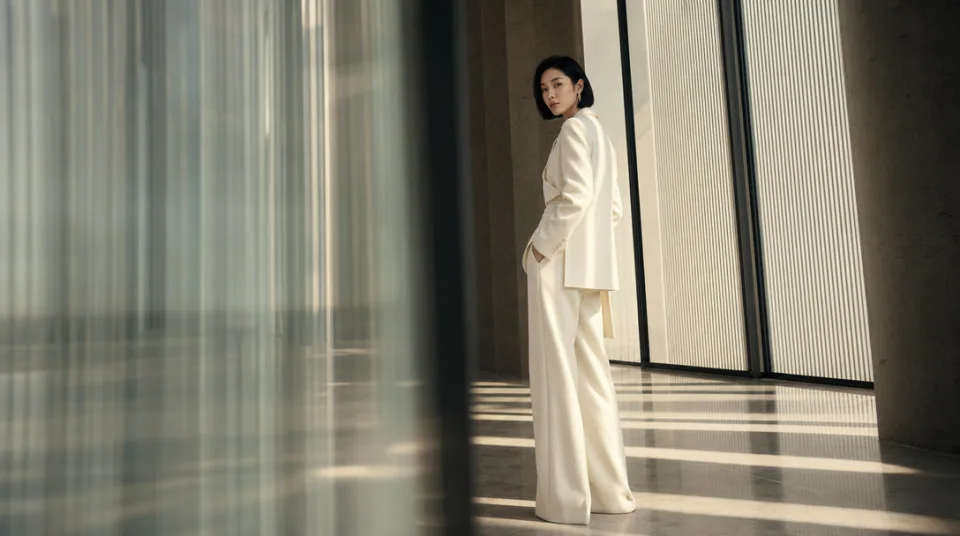
02 / CONSISTENCY
Use reference images to maintain the same character, product, clothing, or visual style across new images.
See the workflow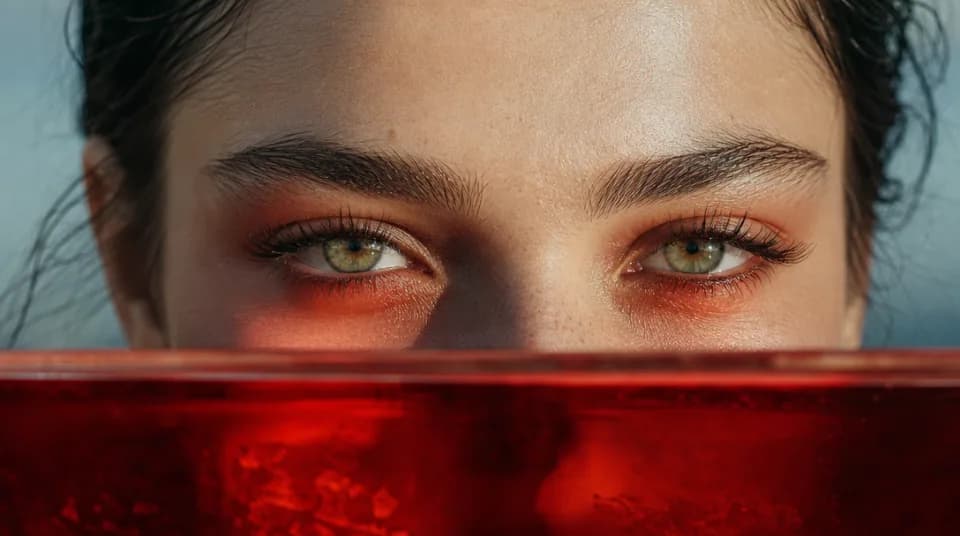
03 / LIGHTING
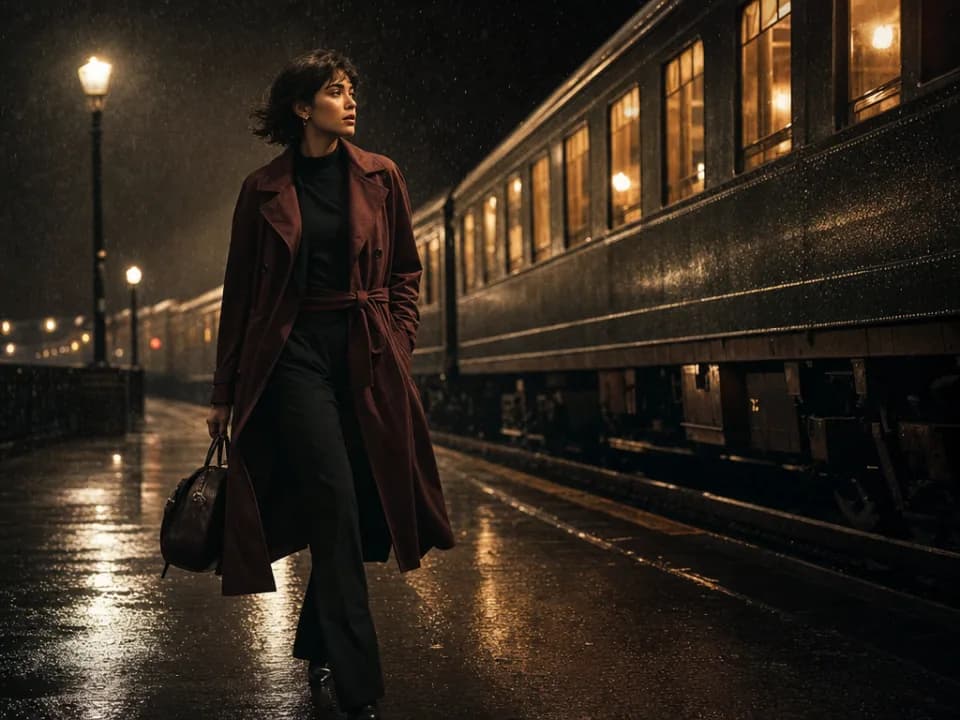
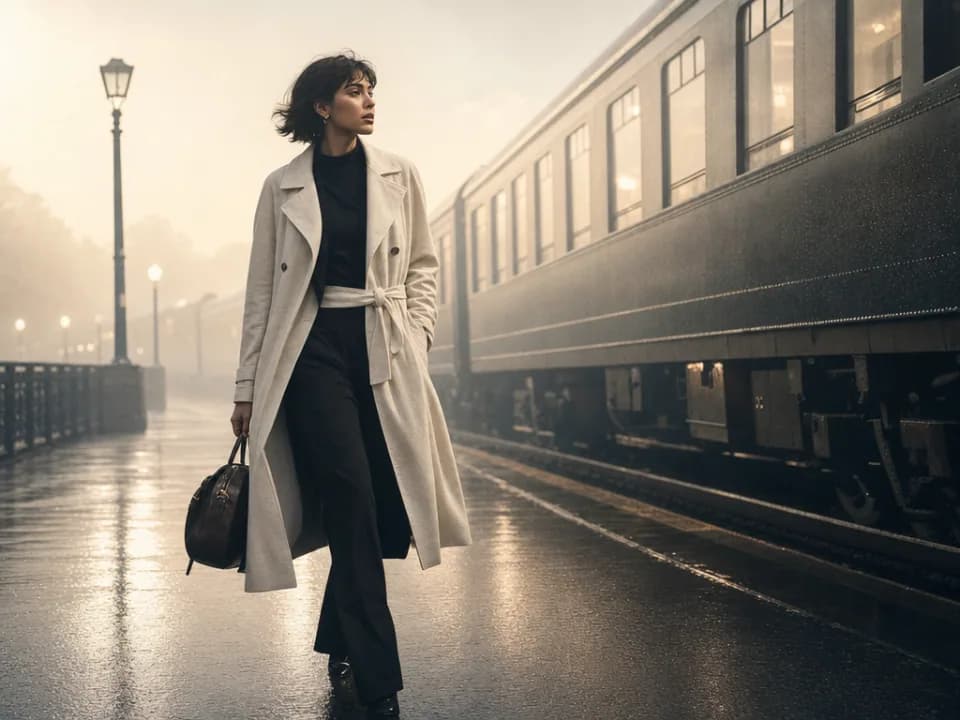
Adjust the light direction, contrast, color, and time of day to create different moods.
See the workflowOne workspace
Create an image from text and references, edit the result, and upscale it without switching tools.
Compare Nano Banana 2's strengths, ideal use cases, supported controls, and tradeoffs before you generate.
Nano Banana 2 is built for fast, high-quality generation and editing without giving up advanced reasoning or creative control. Its main advantage is balance: it can follow detailed instructions, preserve subjects across references, render useful text, and still support rapid iteration up to 4K.
It is a strong default for campaign variations, product compositions, character-led content, localized graphics, social assets, and iterative photo edits. Choose it when you expect to test several directions or combine many visual references before settling on a final image.
The workspace accepts up to 14 reference images, supports 1K, 2K, and 4K output, and can export PNG or JPG. It also offers a broad range of portrait, square, landscape, vertical, and ultrawide aspect ratios, including Auto and 21:9.
Choose Nano Banana 2 over Nano Banana Pro when iteration speed and a larger reference set are more important than a quality-first workflow. Choose Pro for especially complex, high-fidelity final compositions, or the original Nano Banana for simpler edits that do not need selectable output resolution.
Describe the intended output first, then identify what each reference contributes. Separate must-keep details from requested changes, quote any exact wording, and name the target crop or platform. For revisions, change one variable at a time so you can tell which instruction improved the result.
Use Nano Banana Pro when the final image needs the most deliberate production finish, GPT Image 2 when a long, instruction-heavy brief and many references dominate the task, or Flux 2 Flex when typography and small-detail preservation are central to the design.