
Create a cinematic four-shot narrative sequence with elegant, motivated cuts. Maintain the same young woman, beige trench coat, brown leather suitcase, station architecture and soft morning light throughout. Shot 1 — Establishing shot: Inside a grand European train station in the early morning, warm sunlight streams through tall glass windows and travelers move quietly across the concourse. A young woman in a beige trench coat walks into frame, carrying a small brown leather suitcase. The camera slowly tracks alongside her. Shot 2 — Clock and reaction: Cut to a composed close-up of the large station clock, then cut back to a subtle profile close-up of the woman. She calmly studies the time for a moment. Her expression remains restrained; only her gaze sharpens and her pace begins to quicken. Shot 3 — Journey to the platform: Cut to a wide rear tracking shot as she moves briskly through the station toward the platform. Her coat sways naturally and the suitcase rolls behind her. The camera follows smoothly through passing travelers, with reflections moving across the polished floor. The pace feels urgent but controlled—she does not panic or sprint. Shot 4 — Quiet resolution: Cut to a wide platform shot as she reaches the waiting train and steps safely through the open carriage door. From inside the carriage, the camera holds on her as she places the suitcase beside her, looks through the window and exhales softly. The train begins to leave the station, morning light passing gently across her face. Restrained visual storytelling, subtle performance, coherent narrative progression, precise continuity, graceful cinematic cuts, smooth camera movement, realistic human motion, shallow depth of field, soft film grain, warm natural highlights, muted elegant color palette, atmospheric station ambience, sophisticated European drama, photorealistic, anamorphic cinematic composition
Explore Popular AI Video Models
Compare models and choose the one that fits your next idea.
Keep Characters and Style Consistent
Use a reference image to preserve the subject or visual style as the scene moves.
01
Style Consistency
Carry the reference image’s color, lighting, texture, and visual mood into motion.
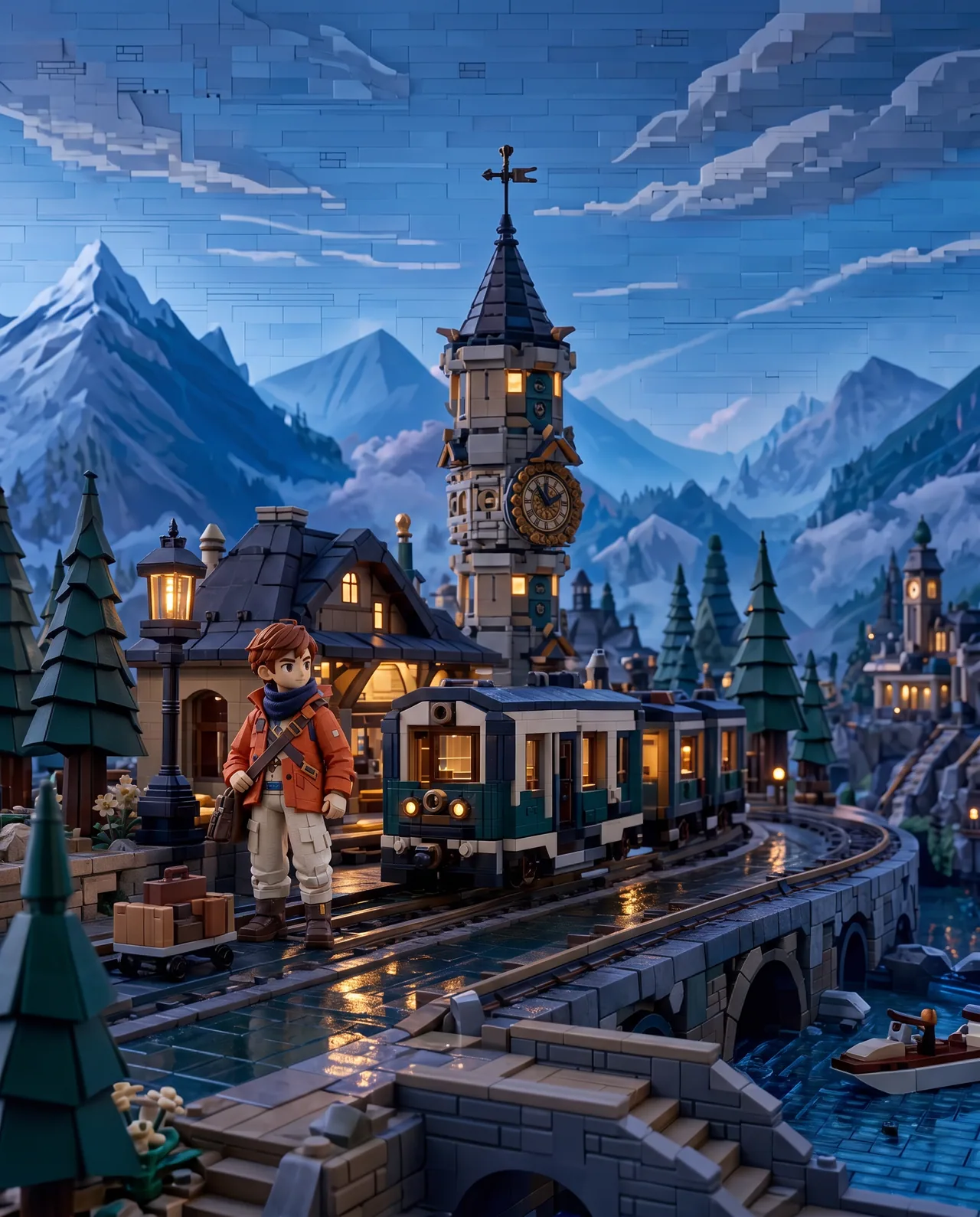
Generated video
02
Character Consistency
Keep facial features, clothing, and defining details recognizable in a new scene.
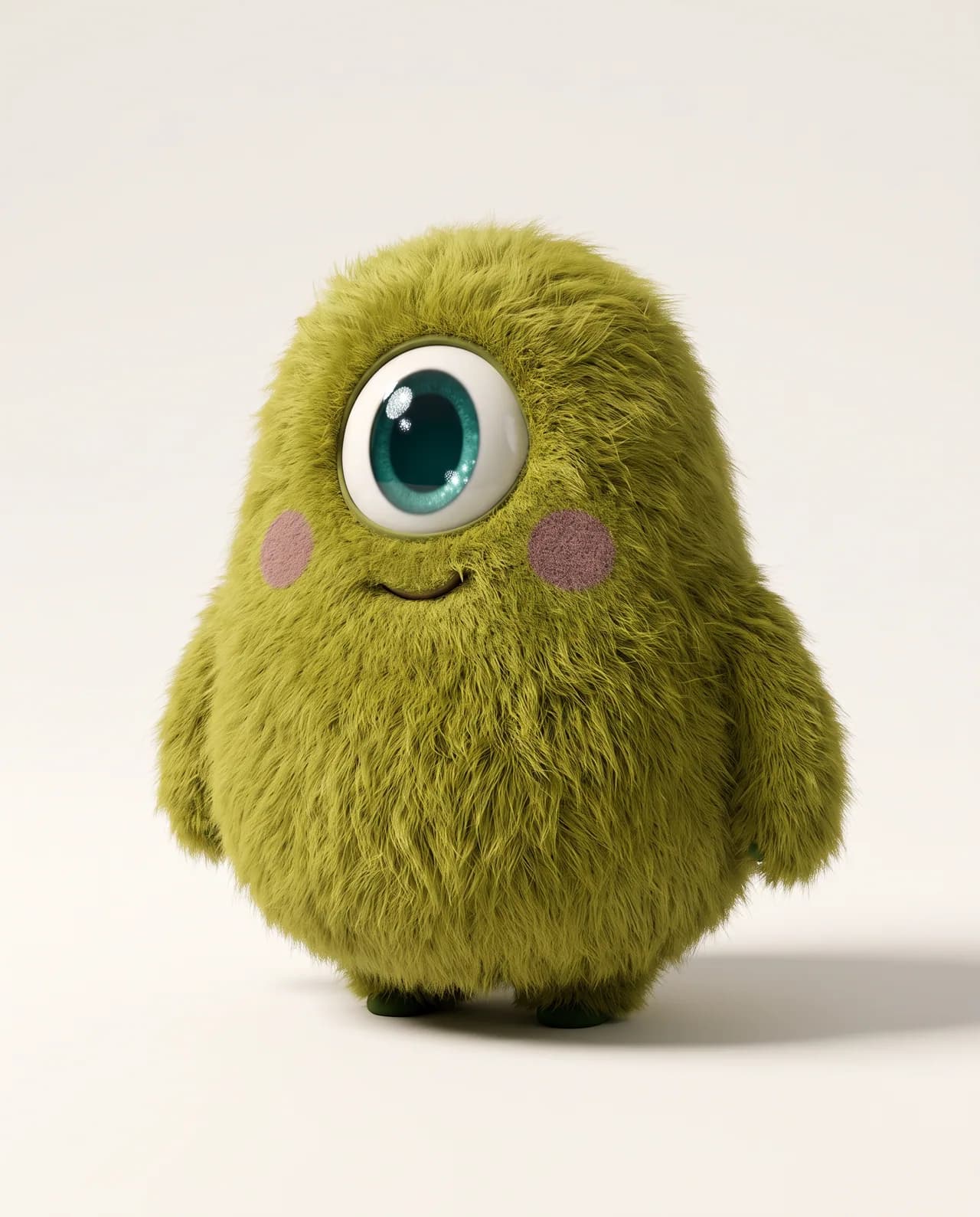
Generated video
Kling 3.0 Keeps Every Camera Move on Cue
Apply different camera movements to the same subject and scene.
Two Frames. One Continuous Shot.
Upload a first frame and a last frame. The model generates a smooth, coherent transition between them.
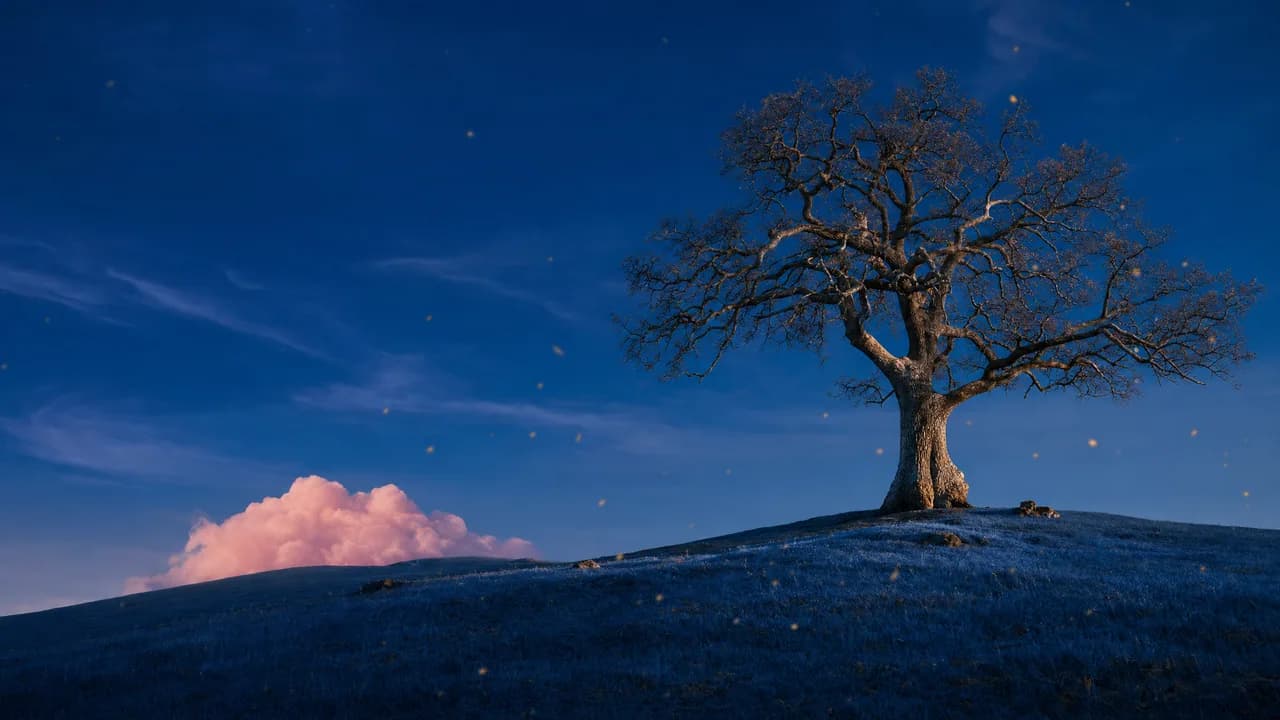

Generated video
Frequently Asked Questions
Compare Kling 3.0's strengths, generation modes, supported controls, and tradeoffs before you create.
What is Kling 3.0 best at?
Kling 3.0 is strongest at focused narrative shots with controlled subject movement, camera direction, and visual continuity. Its compact text or first-and-last-frame workflow makes it a practical choice when you already know the shot you need and want to direct it clearly.
Which projects suit Kling 3.0?
Use it for short narrative beats, product reveals, portrait motion, fashion clips, camera moves, environment transitions, and shots that need a designed start and finish. It is well suited to social and campaign footage built around one clear action.
What generation modes are supported?
The current workspace supports Text to Video and First & Last Frames. First-and-last-frame mode accepts 2 keyframes and generates the movement between them. Kling 3.0 does not expose a separate multi-reference mode on this page.
What durations and aspect ratios are available?
You can create 5- or 10-second clips in 16:9, 9:16, or 1:1. The current Kling workspace does not expose a separate resolution selector, so choose the duration and framing that match the final placement before submitting.
How should I prompt Kling 3.0?
Keep one primary action per shot. Describe the subject, movement, camera path, speed, lighting, and emotional beat in that order. With first and last frames, make sure the two images show a transition the subject can physically perform within 5 or 10 seconds.
When should I choose another video model?
Choose Seedance 2.0 when you need up to 9 references or more flexible duration, Veo 3.1 for 1080p/4K output and multiple quality tiers, or Grok Imagine Video when you want to animate exactly one starting image for any duration from 1 to 15 seconds.