
Create a cinematic four-shot narrative sequence with elegant, motivated cuts. Maintain the same young woman, beige trench coat, brown leather suitcase, station architecture and soft morning light throughout. Shot 1 — Establishing shot: Inside a grand European train station in the early morning, warm sunlight streams through tall glass windows and travelers move quietly across the concourse. A young woman in a beige trench coat walks into frame, carrying a small brown leather suitcase. The camera slowly tracks alongside her. Shot 2 — Clock and reaction: Cut to a composed close-up of the large station clock, then cut back to a subtle profile close-up of the woman. She calmly studies the time for a moment. Her expression remains restrained; only her gaze sharpens and her pace begins to quicken. Shot 3 — Journey to the platform: Cut to a wide rear tracking shot as she moves briskly through the station toward the platform. Her coat sways naturally and the suitcase rolls behind her. The camera follows smoothly through passing travelers, with reflections moving across the polished floor. The pace feels urgent but controlled—she does not panic or sprint. Shot 4 — Quiet resolution: Cut to a wide platform shot as she reaches the waiting train and steps safely through the open carriage door. From inside the carriage, the camera holds on her as she places the suitcase beside her, looks through the window and exhales softly. The train begins to leave the station, morning light passing gently across her face. Restrained visual storytelling, subtle performance, coherent narrative progression, precise continuity, graceful cinematic cuts, smooth camera movement, realistic human motion, shallow depth of field, soft film grain, warm natural highlights, muted elegant color palette, atmospheric station ambience, sophisticated European drama, photorealistic, anamorphic cinematic composition
Explore Popular AI Video Models
Compare models and choose the one that fits your next idea.
Keep Characters and Style Consistent
Use a reference image to preserve the subject or visual style as the scene moves.
01
Style Consistency
Carry the reference image’s color, lighting, texture, and visual mood into motion.
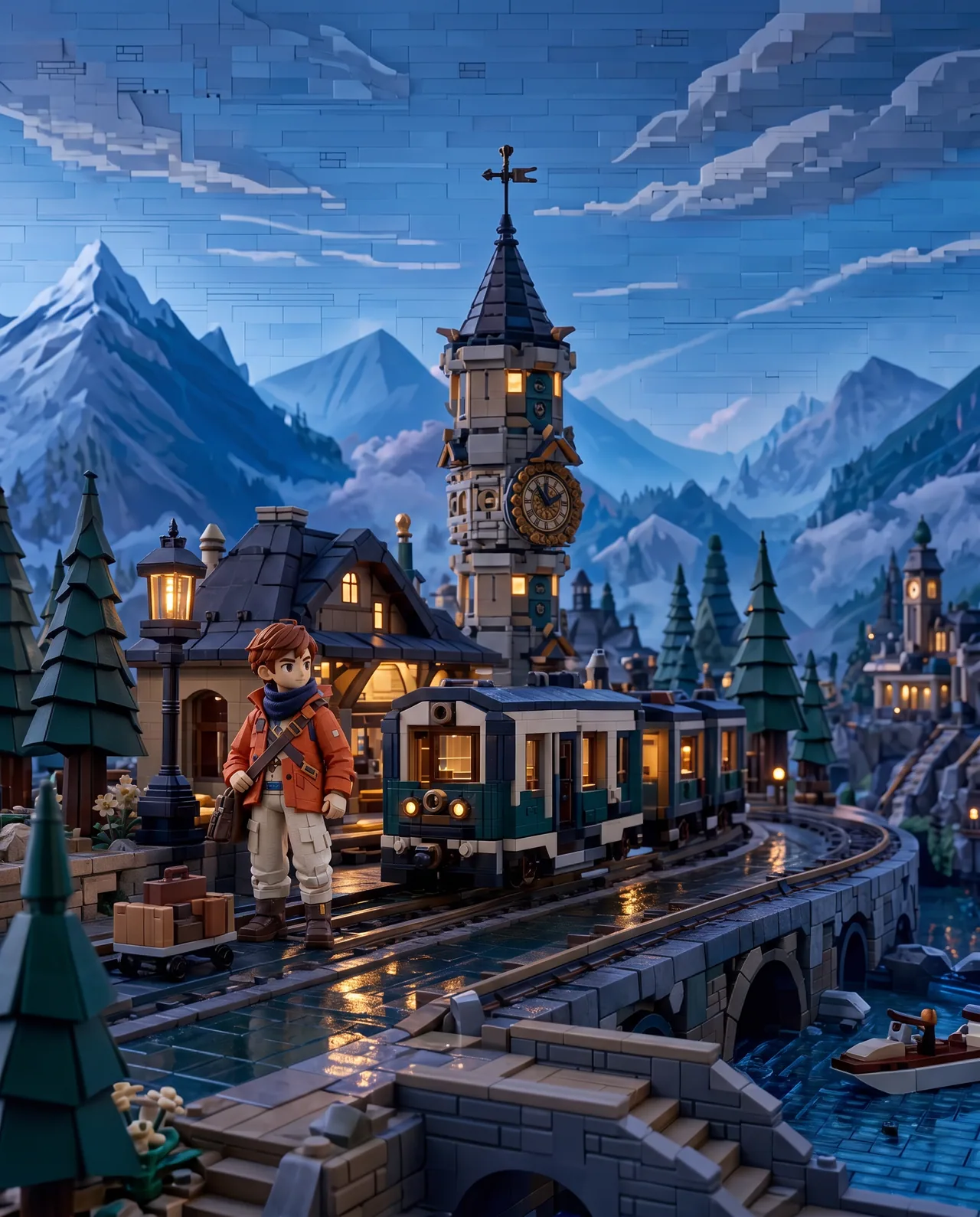
Generated video
02
Character Consistency
Keep facial features, clothing, and defining details recognizable in a new scene.
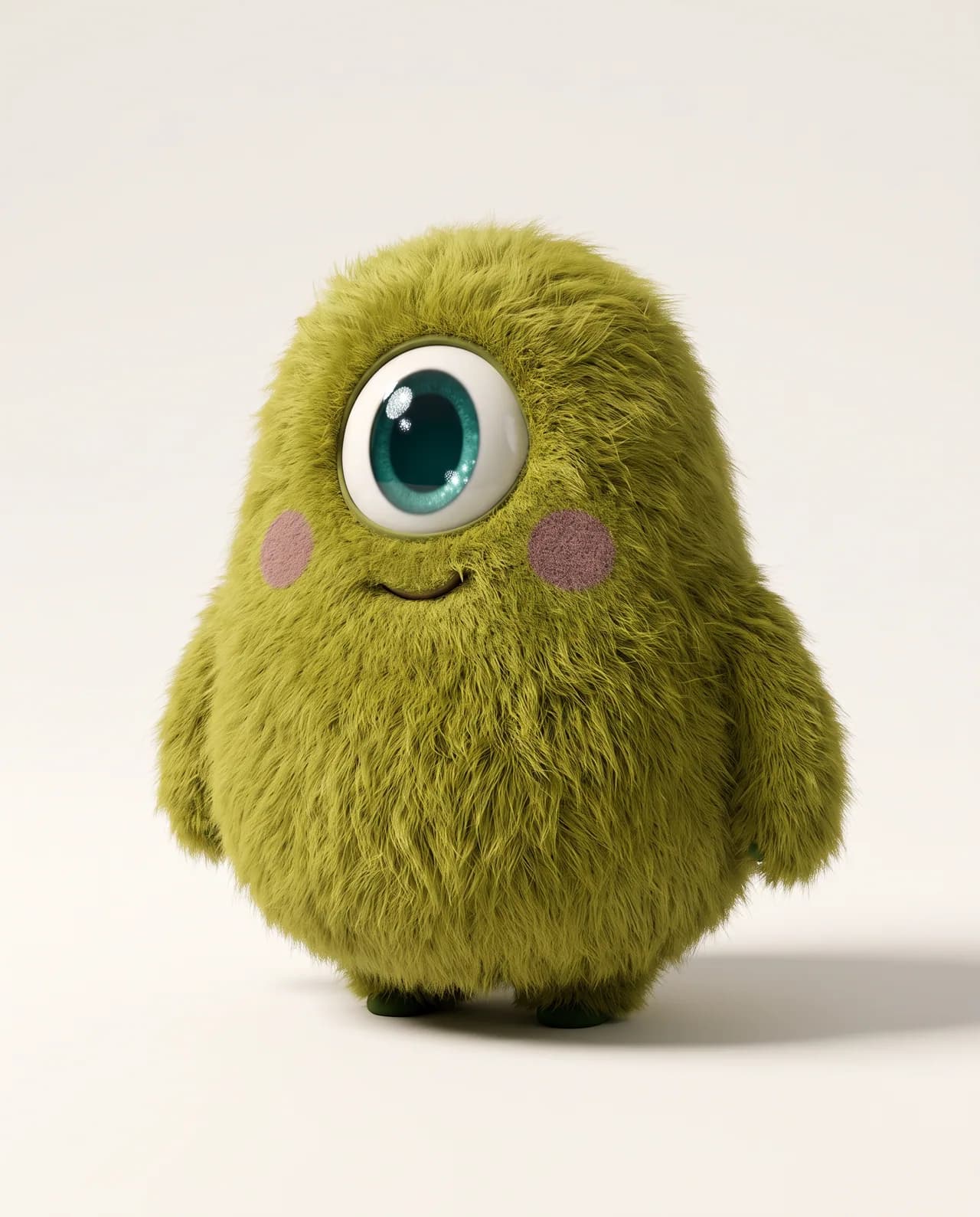
Generated video
Frame Cinematic Movement with Veo 3.1
Apply different camera movements to the same subject and scene.
Two Frames. One Continuous Shot.
Upload a first frame and a last frame. The model generates a smooth, coherent transition between them.
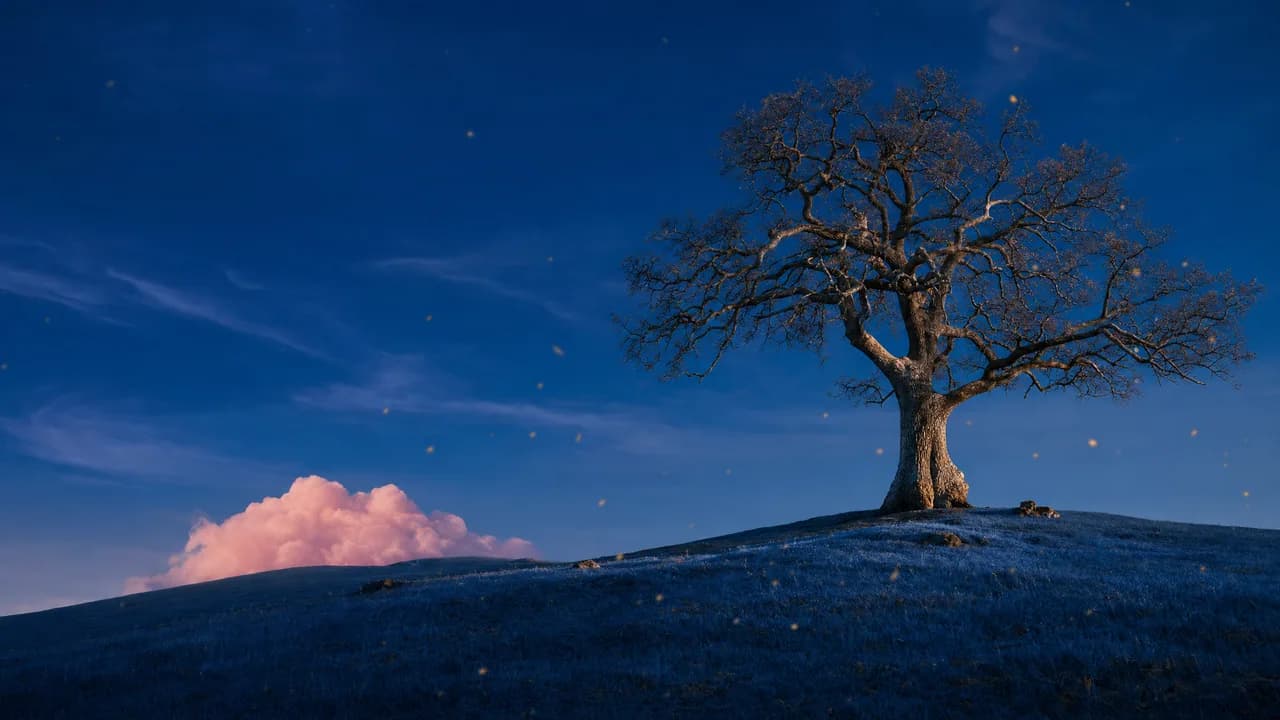

Generated video
Frequently Asked Questions
Compare Veo 3.1's strengths, generation modes, model variants, and tradeoffs before you create.
What is Veo 3.1 best at?
Veo 3.1 is strongest at cinematic video with accurate prompt following, realistic motion and physics, coherent camera direction, and high visual fidelity. It is a quality-led choice for shots where pacing, atmosphere, subject movement, and the relationship between the first and final composition all matter.
Which projects suit Veo 3.1?
Use it for cinematic establishing shots, product films, narrative moments, realistic environments, controlled camera moves, visual effects, and transitions between designed keyframes. It is especially useful when a clip needs to feel deliberately directed rather than simply animated.
Which Veo 3.1 variant should I choose?
Choose Lite when budget matters most, Fast when you need the broadest workflow—including up to 3 reference images—and Quality when final visual quality is the priority. All three support text-to-video and first-and-last-frame generation; the workspace shows only the modes available for the selected variant.
What generation modes and output settings are supported?
The Gigapixel AI workspace offers 720p, 1080p, and 4K output with Auto, 16:9, or 9:16 framing. First-and-last-frame mode accepts 2 keyframes. Reference-to-video is available on Veo 3.1 Fast and accepts up to 3 images for subject, scene, or style guidance.
How should I prompt Veo 3.1?
Write the prompt like a shot plan: subject, action, environment, camera movement, framing, lighting, sound cues if relevant, and pacing. Keep the action achievable within one short clip. With first and last frames, describe the physical transition between them instead of repeating what is already visible.
When should I choose another video model?
Choose Seedance 2.0 when you need flexible 4–15 second timing or as many as 9 visual references, Kling 3.0 for a focused 5- or 10-second text/first-last-frame workflow, or Grok Imagine Video when the main task is quickly animating one still image.